State and Local Government Finance Research Lab
State and Local Government Finance Research Lab (SLGF Lab) is a research branch of the State and Local Government Finance Project at the Center for Policy Research at Rockefeller College, University at Albany SUNY. SLGF Lab is led by Professor Gang Chen, Co-Director of the SLGF Project.
The lab focuses on research and graduate teaching on state and local government budgeting and financial management, using advanced econometric methods, simulations, and large-scale datasets. This website is the canonical home for current lab projects, research workflow training, and public-facing lab resources.
Current Projects
NYS Rural School District Finances Studies
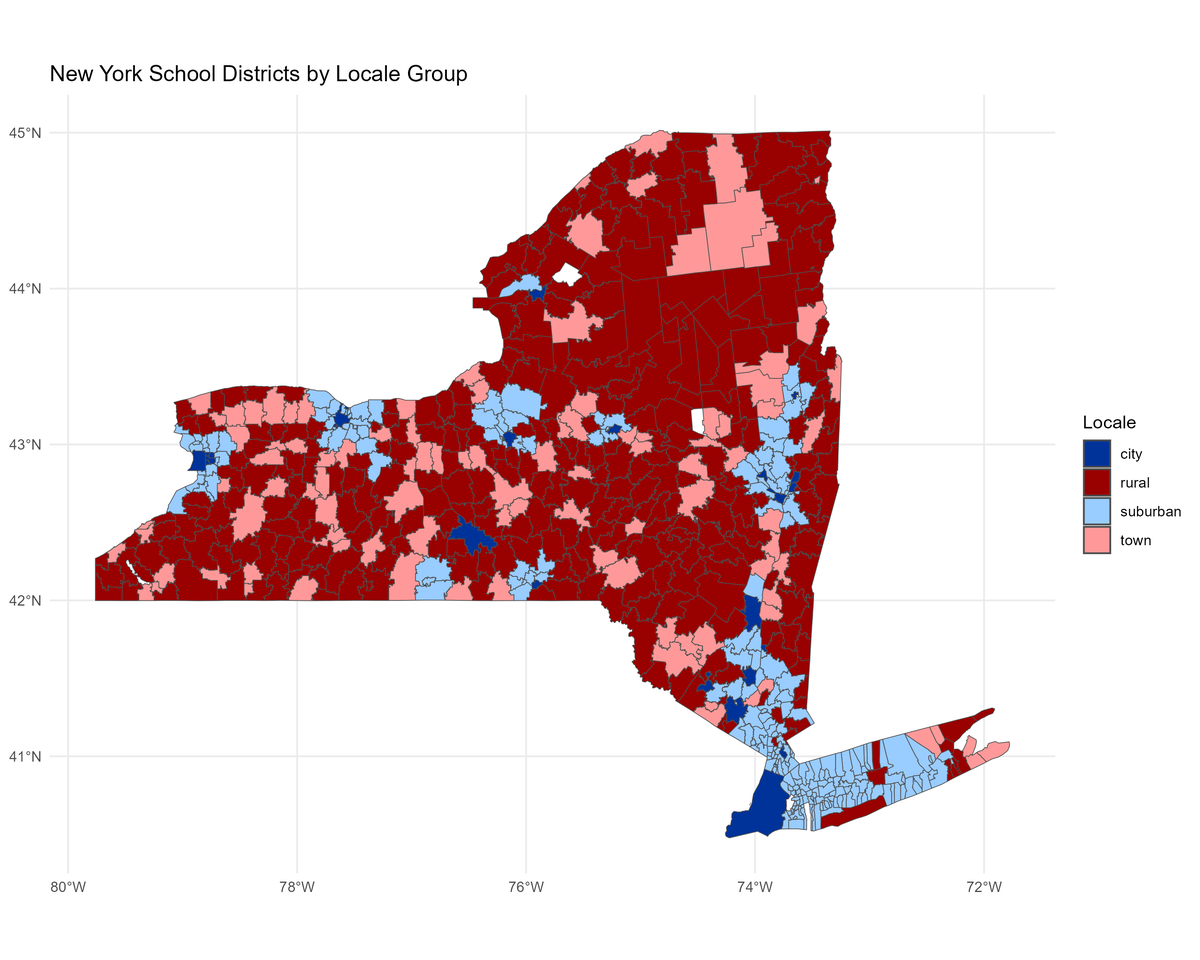
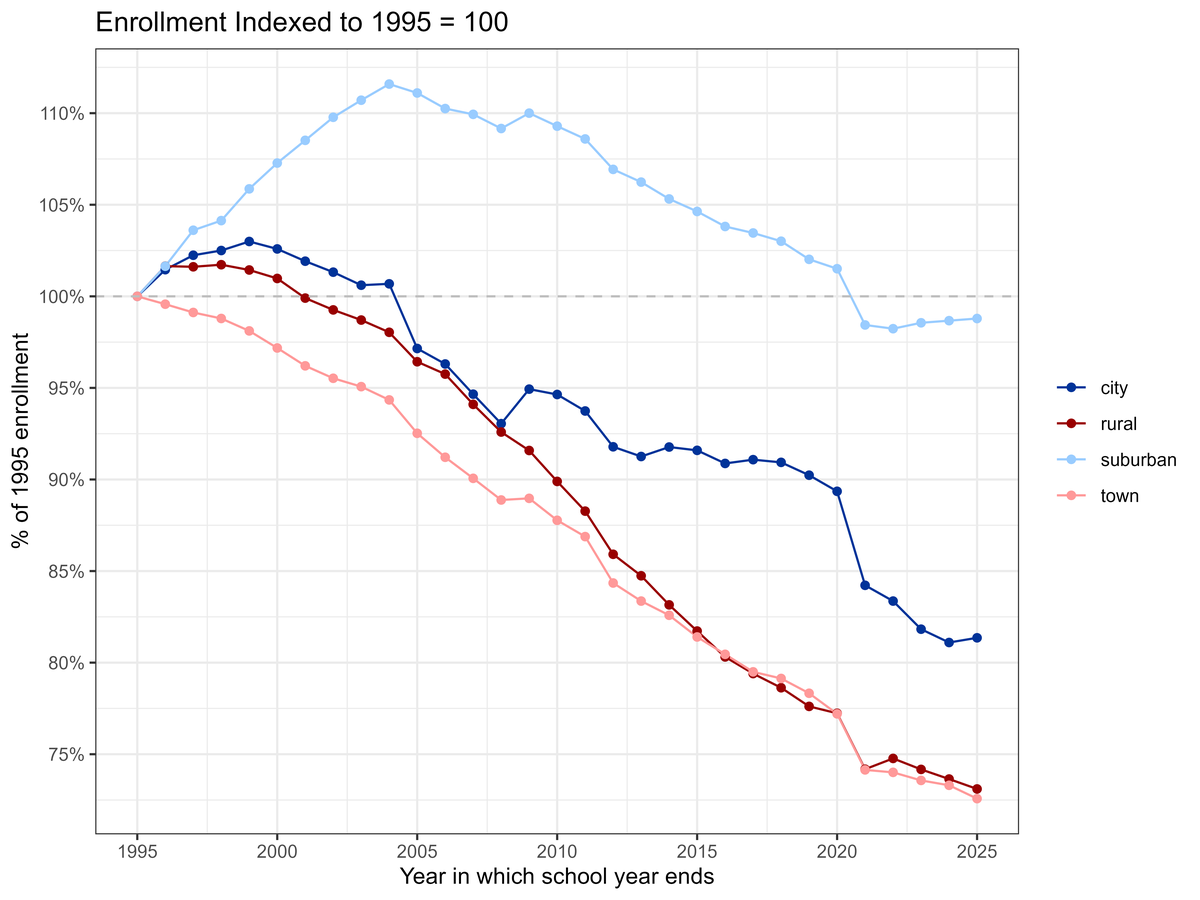
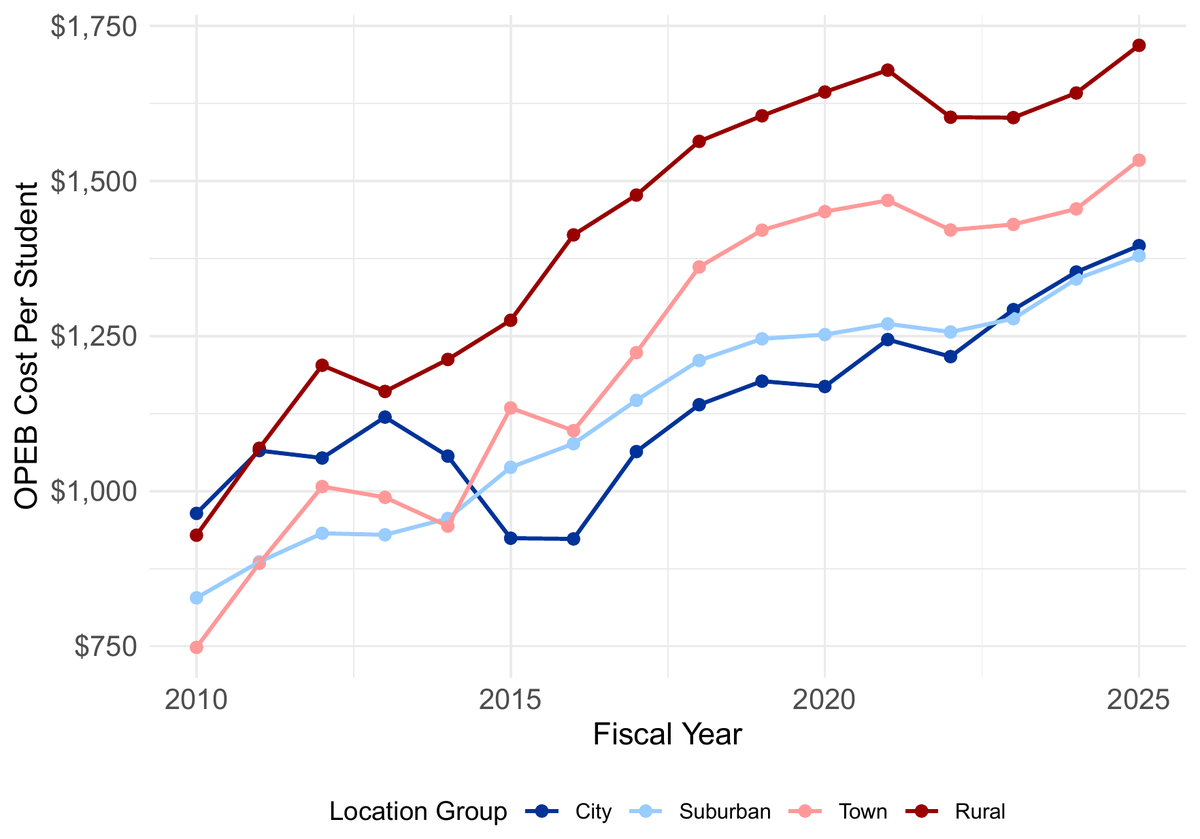
Examining the Impact of Legacy Costs on New York State Rural School districts
This research focuses on the growing burden of “legacy costs” (pensions, retiree healthcare, and capital project maintenance) in rural school districts in Upstate New York facing declining enrollments. These costs consume an increasing share of budgets, crowding out instructional spending and straining schools’ financial capacity. Using detailed data from New York State, this study quantifies the scale and trends of legacy costs, compares rural and non-rural districts, and assesses their impact on school budgets and operations.
Presentations
- “OPEB Costs and Fiscal Stress in Rural School Districts in New York State.” APPAM Fall Research Conference (Boston, MA), November 5, 2026. Slides (PDF); preliminary results, subject to revision.
Municipal Tax Override Studies
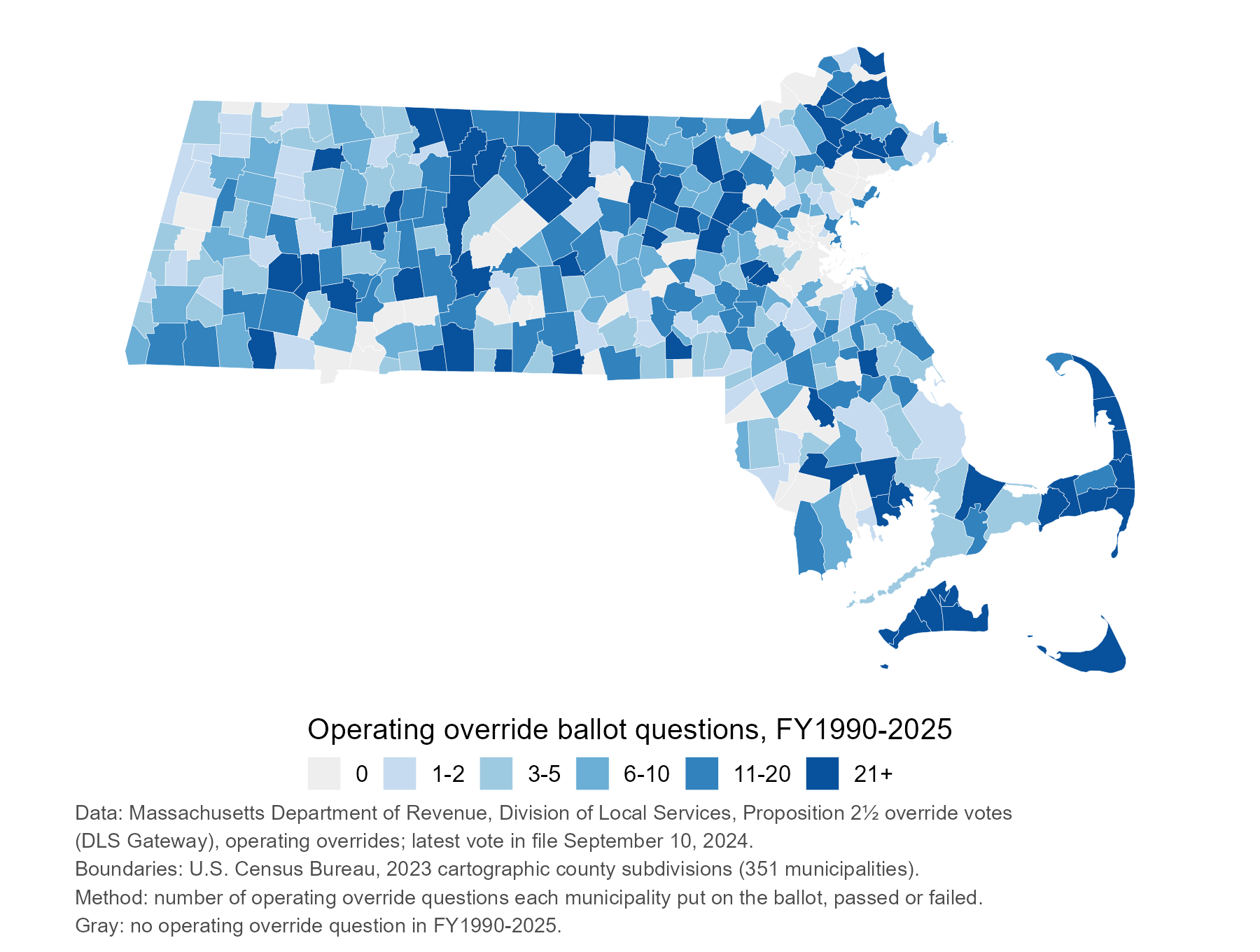
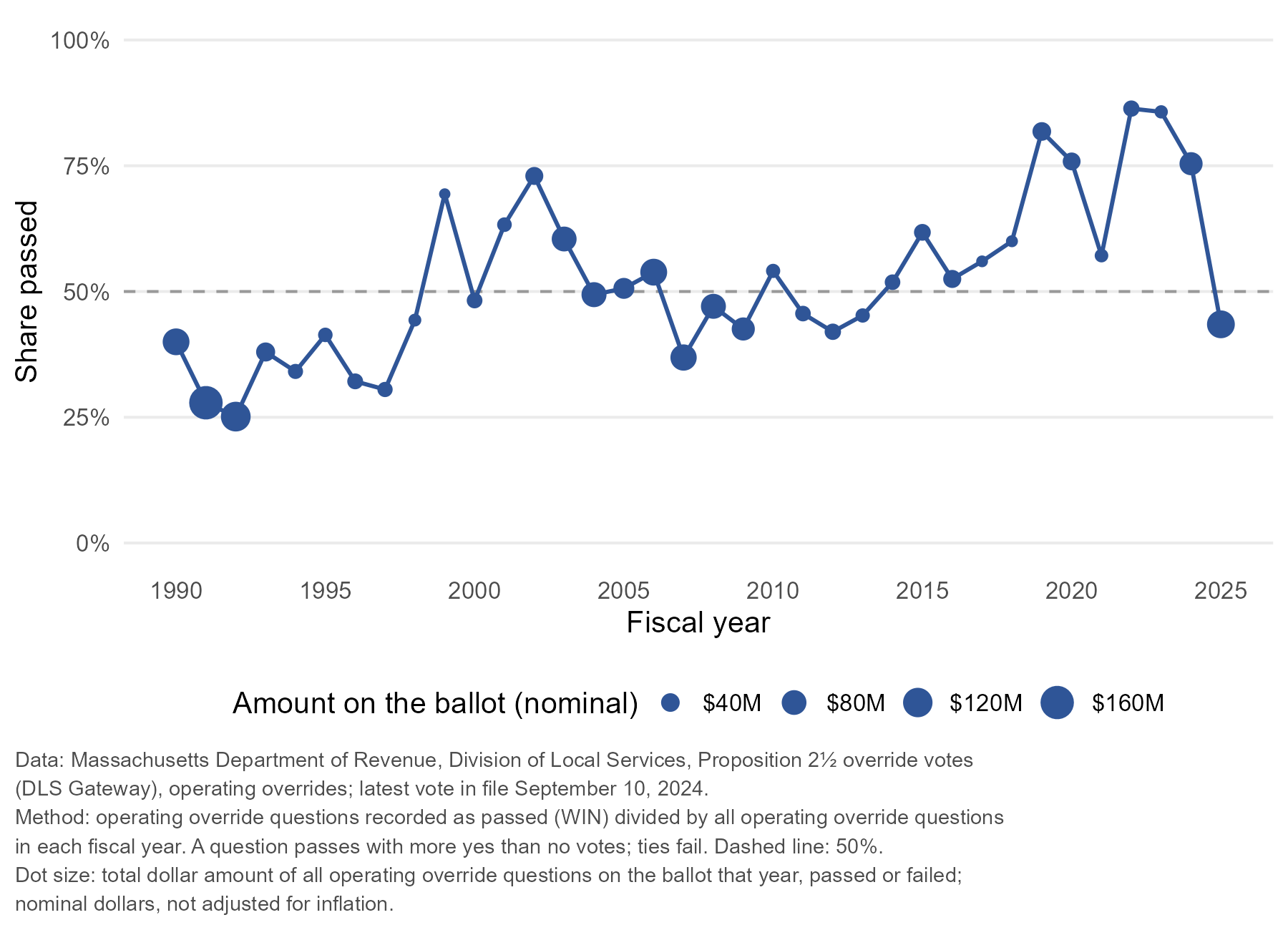
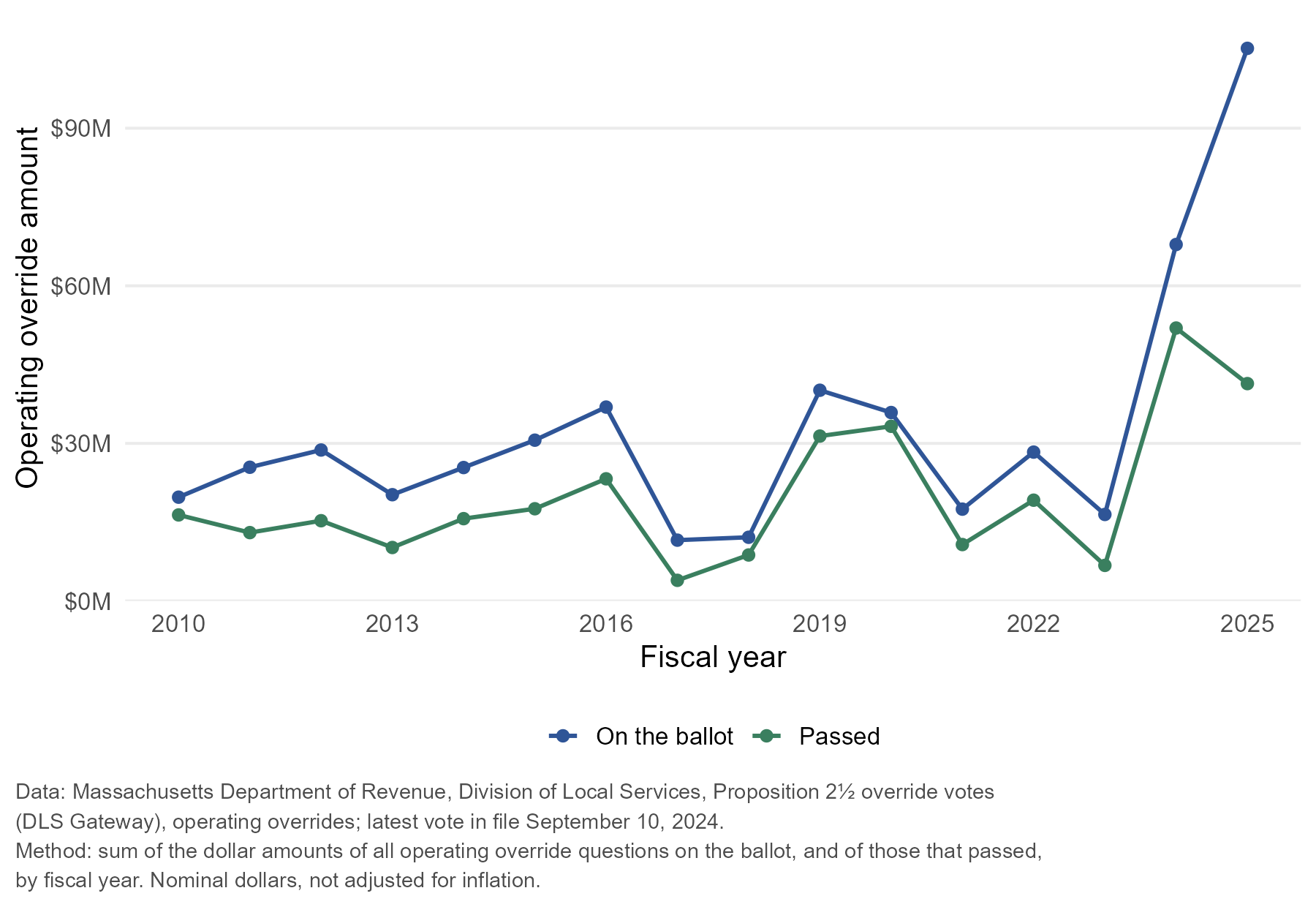
Property Tax Overrides and Municipal Credit Ratings: Evidence from Massachusetts
A municipal tax override is a voter-approved measure that allows a city or town to temporarily raise property taxes beyond statutory limits. While overrides enable governments to generate additional revenue in response to rising public service costs, they may also undermine the purpose of statutory limits to promote fiscal sustainability. This study uses data on Massachusetts municipalities—override ballot questions since fiscal 1990 and credit ratings from 2003 to 2021—to examine the impact of overrides on credit ratings and future override support. Findings show that successful overrides are associated with improved credit ratings, but frequent overrides—and especially failed override attempts—can damage both credit ratings and future voter support.
AI-assisted Research Workflow Community Learning

The lab shares resources on how AI-assisted coding, open-source tools, Quarto, and GitHub can make the research process more efficient, transparent, and reproducible. The research workflow guide walks through the lab’s approach in six short posts, from installing tools and setting up a project folder to coding with an AI assistant and reporting results with Quarto.
Core principles: good research workflow should make each project
Reproducible
Another researcher can rerun the analysis from the project files.
Traceable
Important changes are recorded in version control.
Readable
Data notes, code, outputs, and interpretation are organized in one project.
Recoverable
Mistakes can be corrected without losing prior work.
Collaborative
Work can be shared, reviewed, and improved through GitHub.
AI-assisted, Human-led
AI tools can assist with coding and review, but researchers remain responsible for design, interpretation, and judgment.
This guide is a work in progress. It is still being developed and is updated as we learn more about AI tools and how to use them well in research.